 Council News
The International Dates Council Explores Ways to Enhance the Competitiveness of the Dates Sector and Diversify Its Markets Through a Regional Workshop
-
 Aug 17, 2026
-
 Cairo
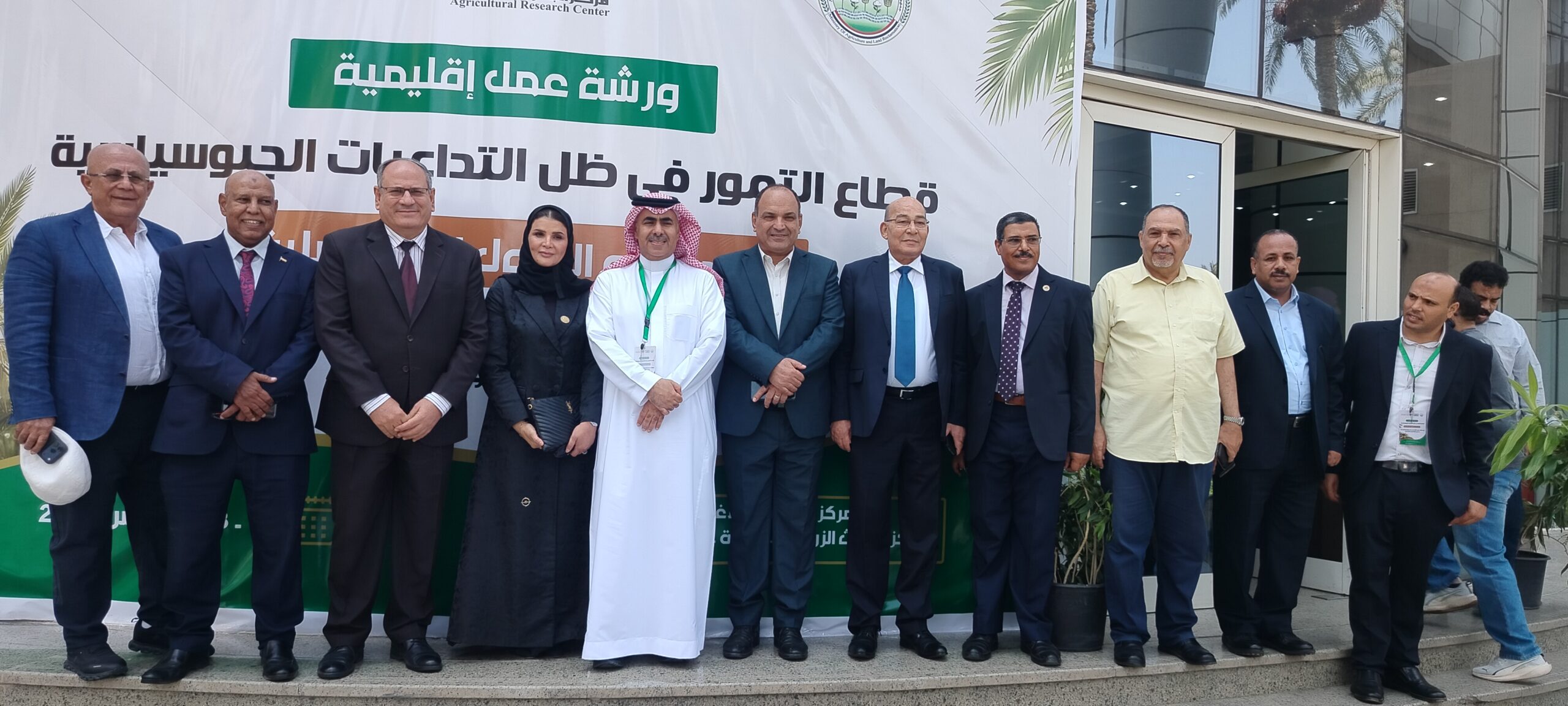
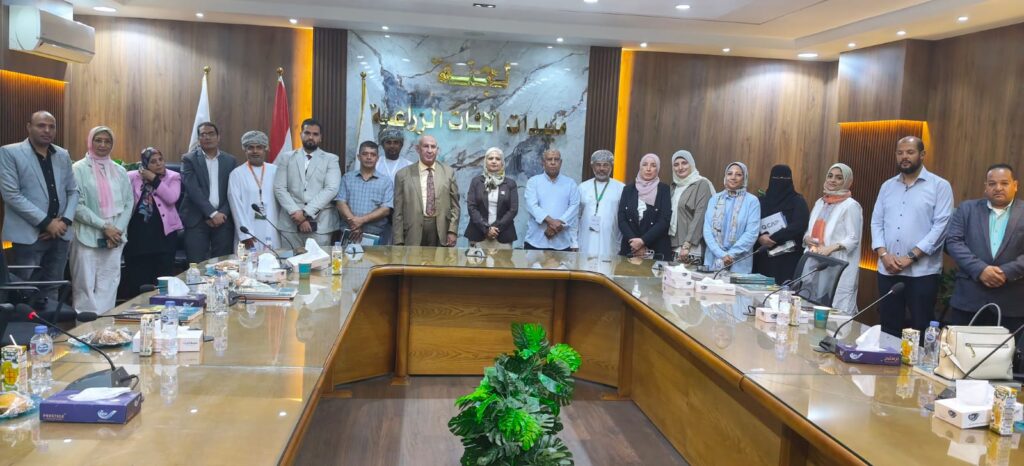
The International Dates Council, in cooperation with the Agricultural Research Center of the Ministry of Agriculture and Land Reclamation of the Arab Republic of Egypt, organized a regional workshop yesterday in Cairo entitled “The Dates Sector Amid Geopolitical Implications: Challenges and Future Solutions.” The event brought together experts, specialists, and representatives from a number of member states.
The three-day workshop, held from 16 to 18 August, examines the geopolitical, environmental, and economic changes affecting the dates sector and their impact on production, trade, supply chains, and markets. It also reviews the experiences of member states in addressing these challenges.
Her Royal Highness Princess Sara bint Bandar bin Abdulaziz, Executive Director of the International Dates Council, emphasized that date-producing countries possess successful experiences and practices in adapting to recent changes affecting markets, supply chains, and international trade. She noted that the Council is committed to transforming these experiences into shared knowledge that benefits all members, thereby strengthening mutual trust among member states and reinforcing the sector’s position on the international stage.
She explained that the workshop brings together expertise from member states and showcases solutions and practices that have proven successful in enhancing production efficiency, improving quality, developing trade, and expanding market access. This approach enables the exchange of knowledge, builds upon successful experiences, and supports the development of models that can be adapted to the needs of different countries.
She added: “At the Council, we believe that the global strength of the dates sector begins with the integration of expertise among producing countries. Therefore, we are committed to promoting cooperation, sharing knowledge and data, and transforming successful experiences into practical opportunities that contribute to strengthening food security, enhancing the sector’s competitiveness, ensuring sustainable growth, and expanding its presence in regional and international markets.”
The workshop sessions featured presentations on the experiences of the Kingdom of Saudi Arabia, Egypt, Tunisia, the Sultanate of Oman, the Kingdom of Morocco, the State of Palestine, and Libya in developing the dates sector and increasing export capacity. Discussions also focused on the impact of geopolitical developments on date trade and global supply chains, as well as challenges related to marketing, international shipping, quality, food safety, quality systems, and accreditation.
Participants called for increasing the contribution of the dates sector to global food security, strengthening the resilience of supply chains and trade, and benefiting from member states’ experiences in addressing economic and geopolitical changes.
They also recommended encouraging joint funding initiatives in partnership with development institutions, financing funds, and the private sector, while supporting integration among member states in production, processing, and trade. Furthermore, they emphasized directing projects toward the sector’s strategic priorities, particularly food security, sustainability, innovation, processing, and value addition.
The recommendations underscored the importance of exchanging data, market information, successful experiences, and best practices to better anticipate emerging changes, identify opportunities, enhance planning efficiency, and support informed decision-making. They also highlighted the need to strengthen the global competitiveness of dates and date products through quality enhancement and alignment with international standards and requirements.
Additional recommendations included diversifying markets, opening new channels for dates and value-added date products in regional and international markets, and expanding partnerships with development and research organizations, as well as the private sector, in support of the shared priorities of member states. The workshop’s activities continue today with scientific visits to a number of specialized research centers and laboratories. Tomorrow’s agenda includes field visits to a model date farm, a date-processing factory, and the “Lina” Dates Station.