
 About the Council

 Who We Are
International Dates Council (IDC)
An international organization concerned with the date palm and dates sector, from farm to consumer, with the aim of developing and advancing the sector, enhancing its value and global presence, and supporting its sustainability. The Council is headquartered in Riyadh, Kingdom of Saudi Arabia.
-
2013
Founding Meeting
The founding meeting was held on 3 December, during which the Statute received preliminary approval.
-
2016
Approval of the Statute
On 25 October, a Royal Decree was issued by the Kingdom of Saudi Arabia approving the Statute of the International Dates Council.
-
2022
Declaration of Establishment and Signing of the Headquarters Agreement
The first session of the Council of Members was held on 16 February, during which the establishment of the International Dates Council was announced. Membership expanded to 14 countries. On 21 December, the Headquarters Agreement was signed between the International Dates Council and the Government of the Kingdom of Saudi Arabia to regulate the Council’s status in the host country.On December 21, 2022, the Headquarters Agreement was signed between the International Dates Council and the Government of the Kingdom of Saudi Arabia. It was agreed that Riyadh would serve as the headquarters of the International Dates Council.
-
2025
International Dates Observatory
The International Dates Observatory Agreement was signed with the Kingdom of Bahrain in September.
-
2026
Membership Expansion and Strategy Launch
The sixth session of the Council of Members was held in Muscat, Sultanate of Oman, on 18 October. The accession of the State of Libya and the Kingdom of Morocco was announced, bringing the Council’s total membership to 17 countries. The Council’s Strategy for the period 2026–2030 was also launched.


 Our Mission — Vision
Our Strategic Commitments
The Council’s programme of work is organized in accordance with strategic pillars adopted by the Council of Members. The current Strategy covers the period from 2026 to 2030.

Our Mission
Enhancing international cooperation to develop and regulate the dates sector through reference frameworks, standards, knowledge, and reliable data, in a way that contributes to increasing the sector’s value and strengthening its global presence


Our Vision
Focusing on organizing and developing the dates sector, enhancing its value and global presence, and supporting its sustainability


Our Values

Reliability
The Council is committed to the highest standards of transparency in managing its affairs.

Sustainability
We enhance the sustainability of the palm and date sector and its role in food security, supporting resource efficiency, sustainable production and the economic and nutritional value of dates.

Innovation
We stimulate innovation, modern technologies and processing industries that increase the added value of dates, develop products and markets, and enhance the sector’s global competitiveness.

Transparency
Expanding global market opportunities and increasing trade transparency.

Commitment
We adhere to international standards, regulations and practices, and align the efforts of member states to support the quality, safety and accessibility of dates in global markets.


Our Strategic Pillars
“Towards Sustainable Food Security”

International Reference Framework and Adopted Standards
Establishing the Council’s international recognition as a global reference platform for the date sector.
- Enhancing the Council's international reference
- Unifying international frameworks and standards

Added Value and Global Demand
Maximising the global economic value of dates through improved market positioning.
- Enhancing the global positioning of dates
- Developing global demand for dates

Knowledge and Data System
Creating a global knowledge hub for the date sector through an integrated data and analytics system.
- Enhancing transparency and market understanding
- Building a base for knowledge, research and innovation

Financial Sustainability
Enhancing the Council's financial sustainability by diversifying funding sources.
- Enhancing financial stability
- Building a sustainable financial base

Institutional Organisation and Governance
Strengthening governance and improving institutional performance.
- Enhancing corporate governance
- Improving institutional performance



"We believe that the diversity of member states' expertise and capabilities represents a collective strength, and that cooperation among them expands opportunities for development and growth. Hence, we continue to represent their aspirations and work on initiatives and outcomes of practical value and tangible impact."
CEO’s Message
CEO’s Statement
“Few crops are as deeply intertwined with human history as dates. This fruit has accompanied communities since their inception, embedding itself in their heritage, collective memory, and daily tables, until it became an essential part of entire nations’ identities. Beyond this rich legacy, dates today play a vital economic role—serving as a primary source of income for millions of farmers and workers across the value chain, while expanding their position in global markets.
However, the sector faces rapid transformations, from climate change and resource scarcity to evolving consumption patterns and varying technical market requirements. These cross-border challenges demand precise knowledge, continuous innovation, more efficient and sustainable practices, and effective international cooperation.
Driven by this vision, the International Council for Dates strives to consolidate its position as a global reference for the sector and a unifying platform for member states. It fosters coordination, facilitates the exchange of expertise, supports policy and initiative development, and builds bridges with international organizations, research institutions, and the private sector—all to enhance the efficiency and competitiveness of the production ecosystem.
We believe that the diversity of member states’ expertise and capabilities represents a collective strength, and that cooperation among them expands opportunities for growth and development. Hence, we continue to represent their aspirations and work on initiatives and outcomes of practical value and tangible impact.
At the International Council for Dates, we aim to build a more competitive and efficient ecosystem, ensuring a broader presence for dates in global trade, nutrition, and the economy—a future shaped by a unified vision, effective partnerships, and work that leaves a lasting, sustainable impact.”
Her Royal Highness Princess Sarah bint Bandar bin Abdulaziz Al Saud
Chief Executive Officer of the International Dates Council
Our Team
Council Members
The Council brings together the ministers responsible for the date sector in its 17 member states, under the chairmanship of the Kingdom of Saudi Arabia.
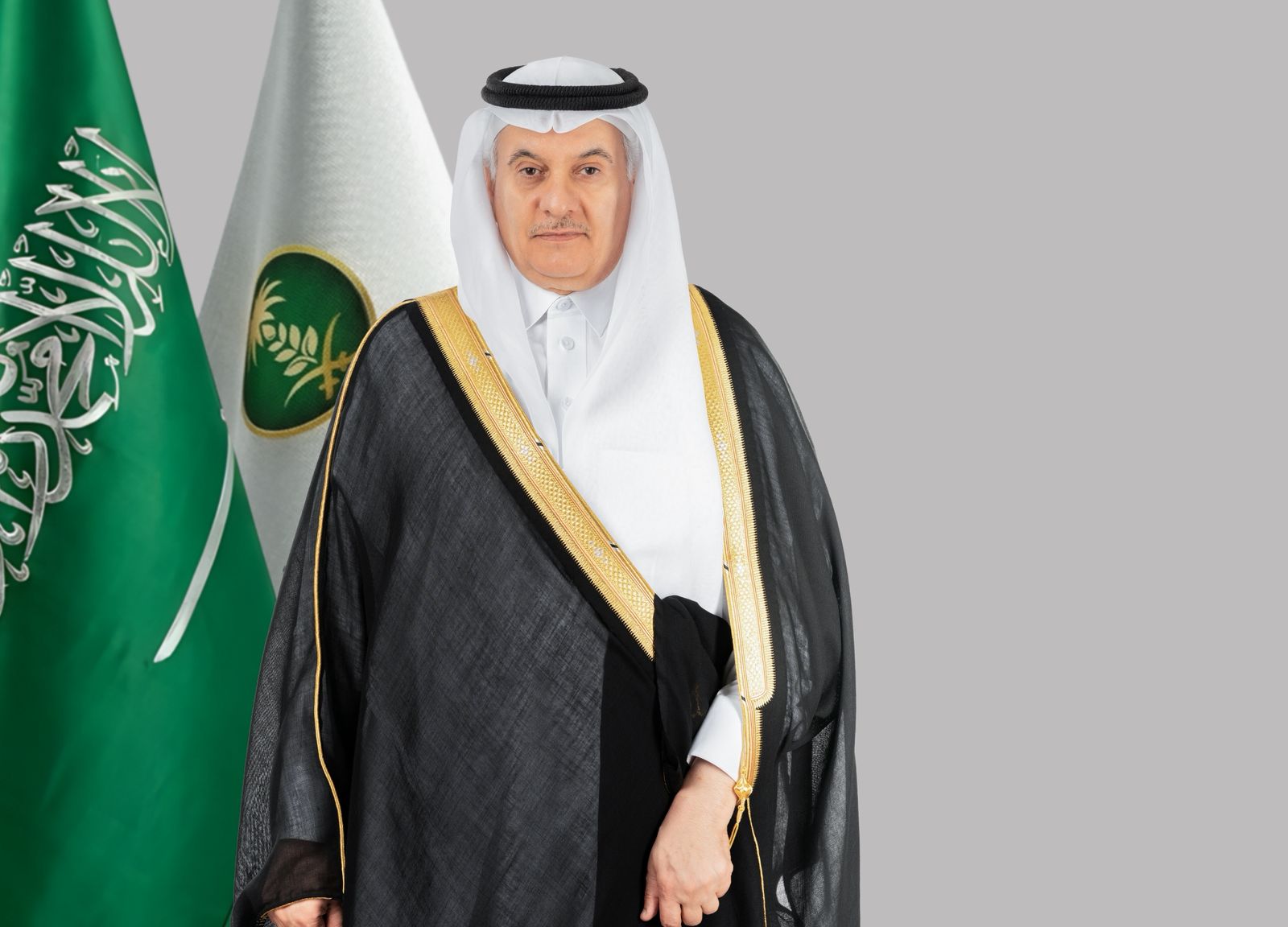

H.E. Eng. Abdulrahman bin Abdulmohsen Al-Fadhli
Minister of Environment, Water and Agriculture, Kingdom of Saudi Arabia
Today, the International Date Council enjoys a distinctive global influence that gives it the opportunity to build more impactful collective action, and to transform the date production of its member countries into a greater economic, commercial and investment force.
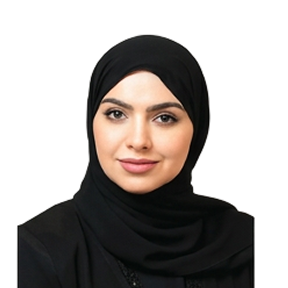
 UNITED ARAB EMIRATES
H.E. Dr. Amna bint Abdullah Al‑Dahak
Minister of Climate Change and Environment
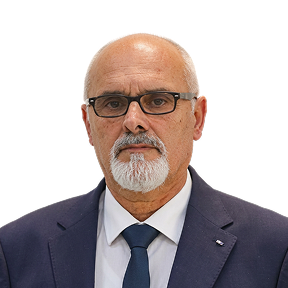
 STATE OF PALESTINE
H.E. Prof. Rizq Salimia
Minister of Agriculture
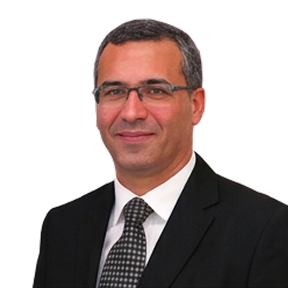
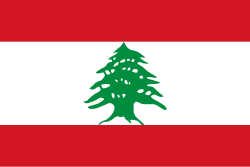 LEBANESE REPUBLIC
H.E. Dr. Nizar Hani
Minister of Agriculture
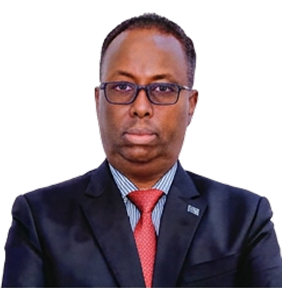
 FEDERAL REPUBLIC OF SOMALIA
H.E. Mr. Mohamed Abdi Hayir
Minister of Agriculture and Irrigation
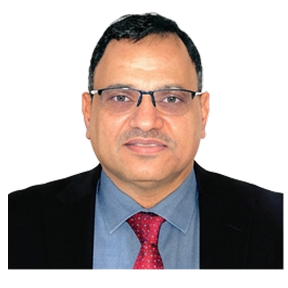
 REPUBLIC OF YEMEN
H.E. Maj. Gen. Salem Abdullah Al-Saqatri
Minister of Agriculture, Irrigation and Fisheries
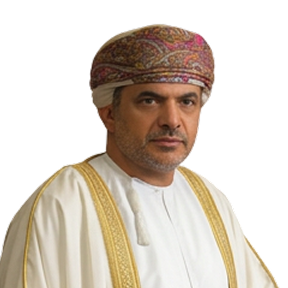
 SULTANATE OF OMAN
H.E. Dr. Saud bin Hamoud Al Habsi
Minister of Agriculture, Fisheries and Water Resources
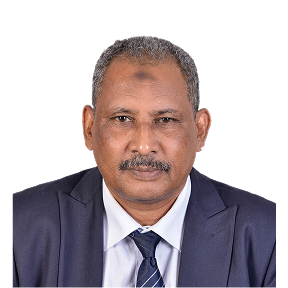
 REPUBLIC OF SUDAN
H.E. Prof. Ismat Qurashi Abdullah
Minister of Agriculture and Irrigation
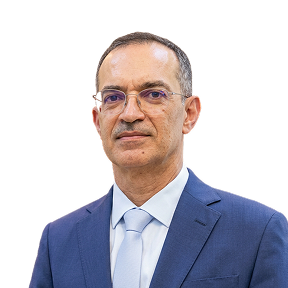
 REPUBLIC OF TUNISIA
H.E. Eng. Ezzedine Ben Cheikh
Minister of Agriculture, Water Resources and Maritime Fisheries
 HASHEMITE KINGDOM OF JORDAN
H.E. Dr. Saeb Al-Khuraisat
Minister of Agriculture
 ARAB REPUBLIC OF EGYPT
H.E. Mr. Alaa Farouk
Minister of Agriculture and Land Reclamation
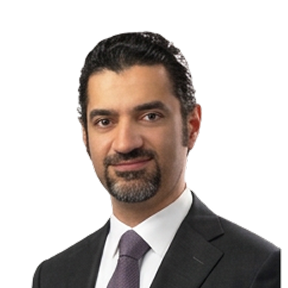
 KINGDOM OF BAHRAIN
H.E. Eng. Wael bin Nasser Al-Mubarak
Minister of Works, Municipalities Affairs and Urban Planning
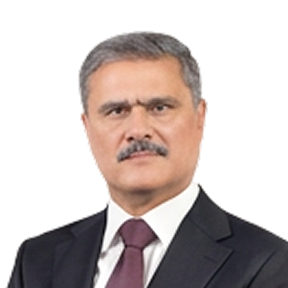
 REPUBLIC OF IRAQ
H.E. Mr. Abdulrahim Jassim Al-Shammari
Minister of Agriculture
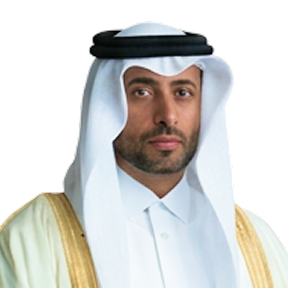
 STATE OF QATAR
H.E. Eng. Abdullah bin Hamad bin Abdullah Al-Attiyah
Minister of Municipality
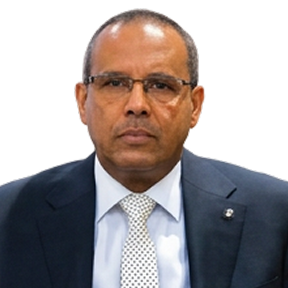
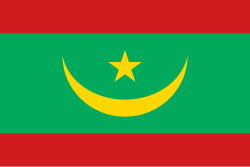 ISLAMIC REPUBLIC OF MAURITANIA
H.E. Mr. Mohamed Ahmed Ould Mhaimid
Minister of Agriculture and Food Sovereignty
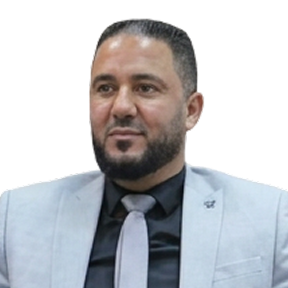
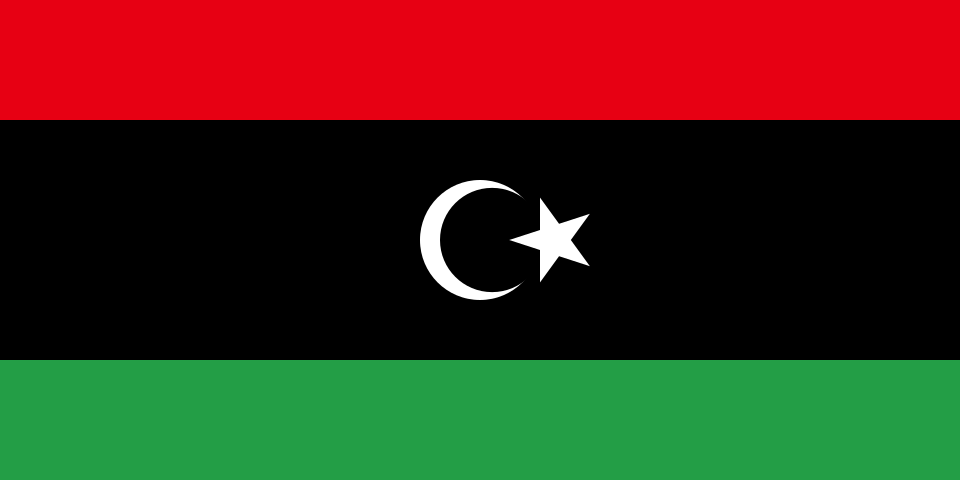 STATE OF LIBYA
H.E. Mr. Abdel Latif Mohamed Taher
Minister of Agriculture and Livestock
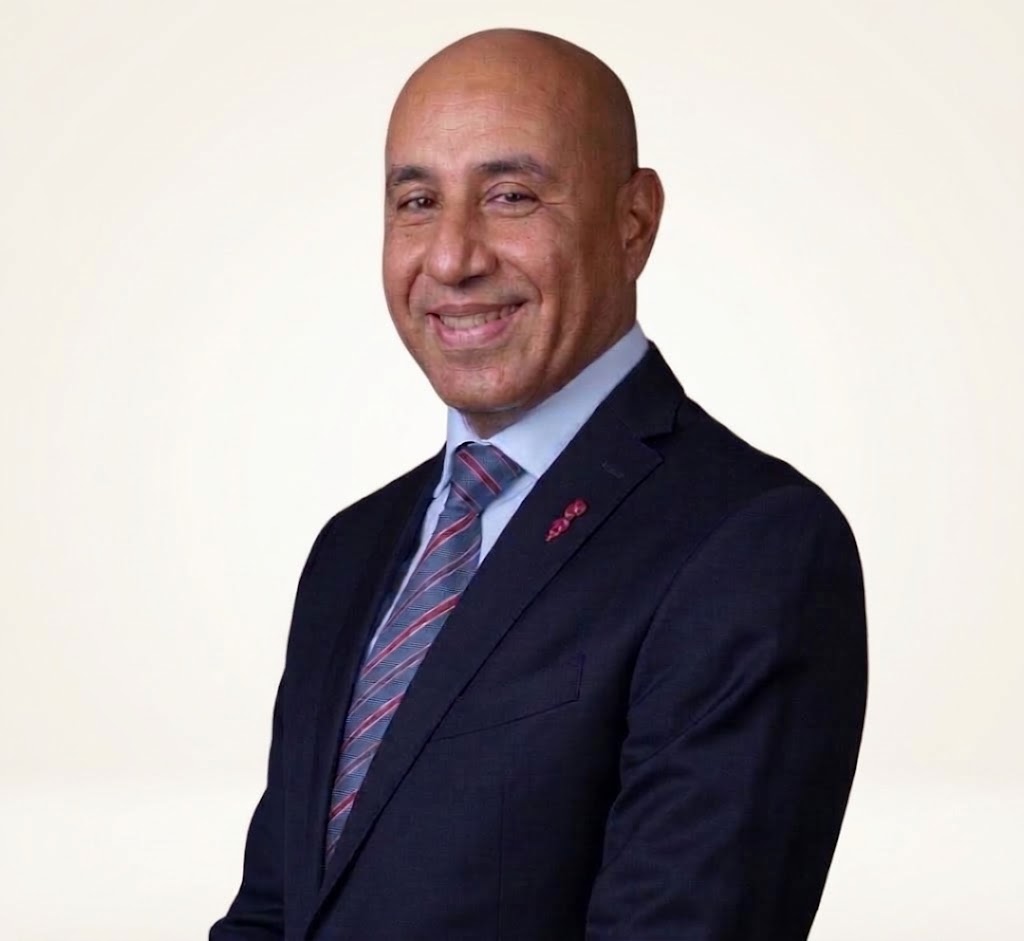
 KINGDOM OF MOROCCO
H.E. Dr. Khaled Hatimi.
Minister of Agriculture, Fisheries and Food Sovereignty.
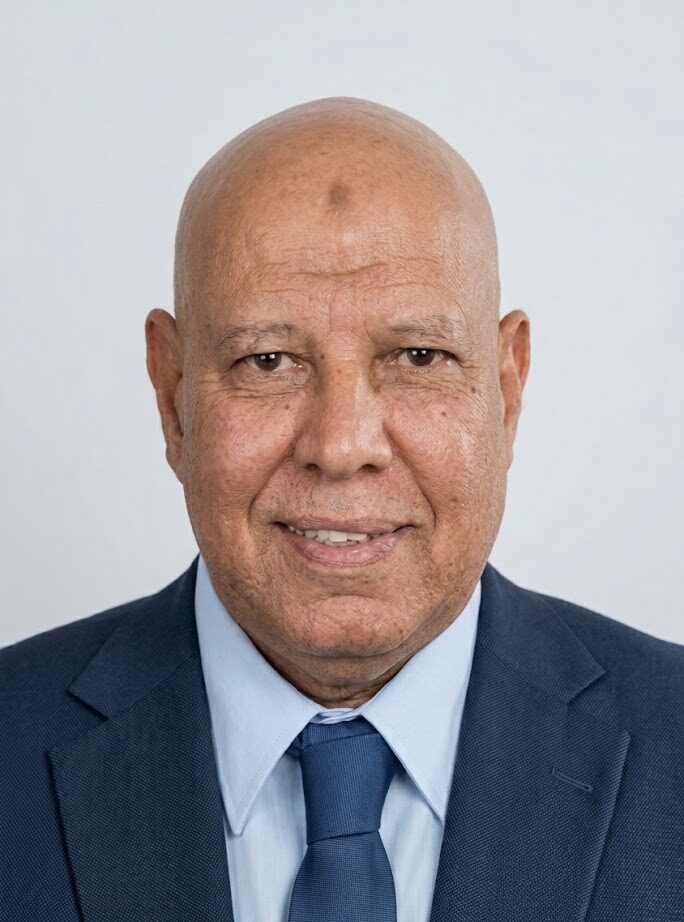 ARAB REPUBLIC OF EGYPT
Dr. Ezzeldin Gadallah Hussein Al-Abbasi
Former Director of the Date Palm Research Institute, Agricultural Research Center
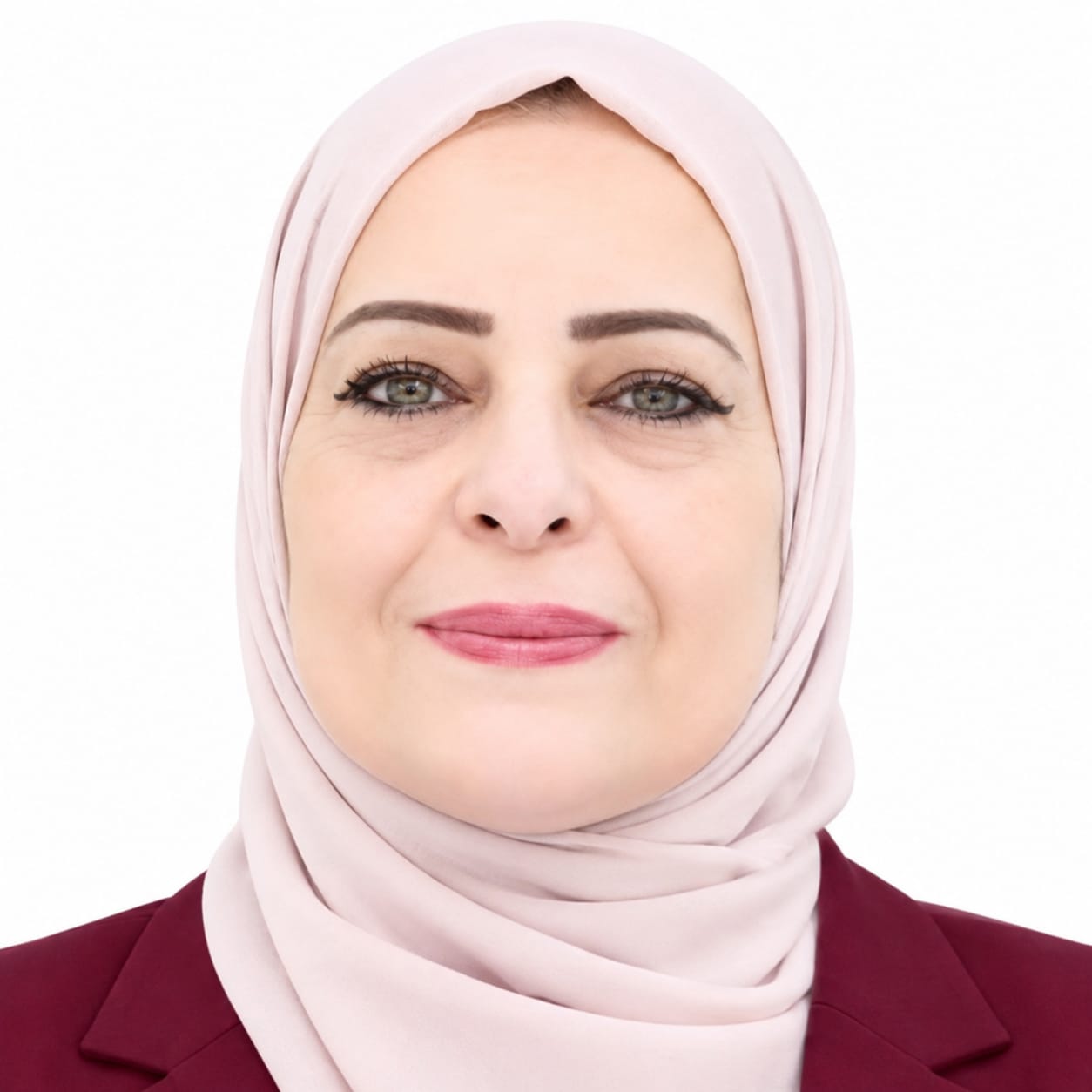 HASHEMITE KINGDOM OF JORDAN
Eng. Nawal Ahmed Hashem Hussein
Head of the Date Palm Department, Ministry of Agriculture Hashemite Kingdom of Jordan
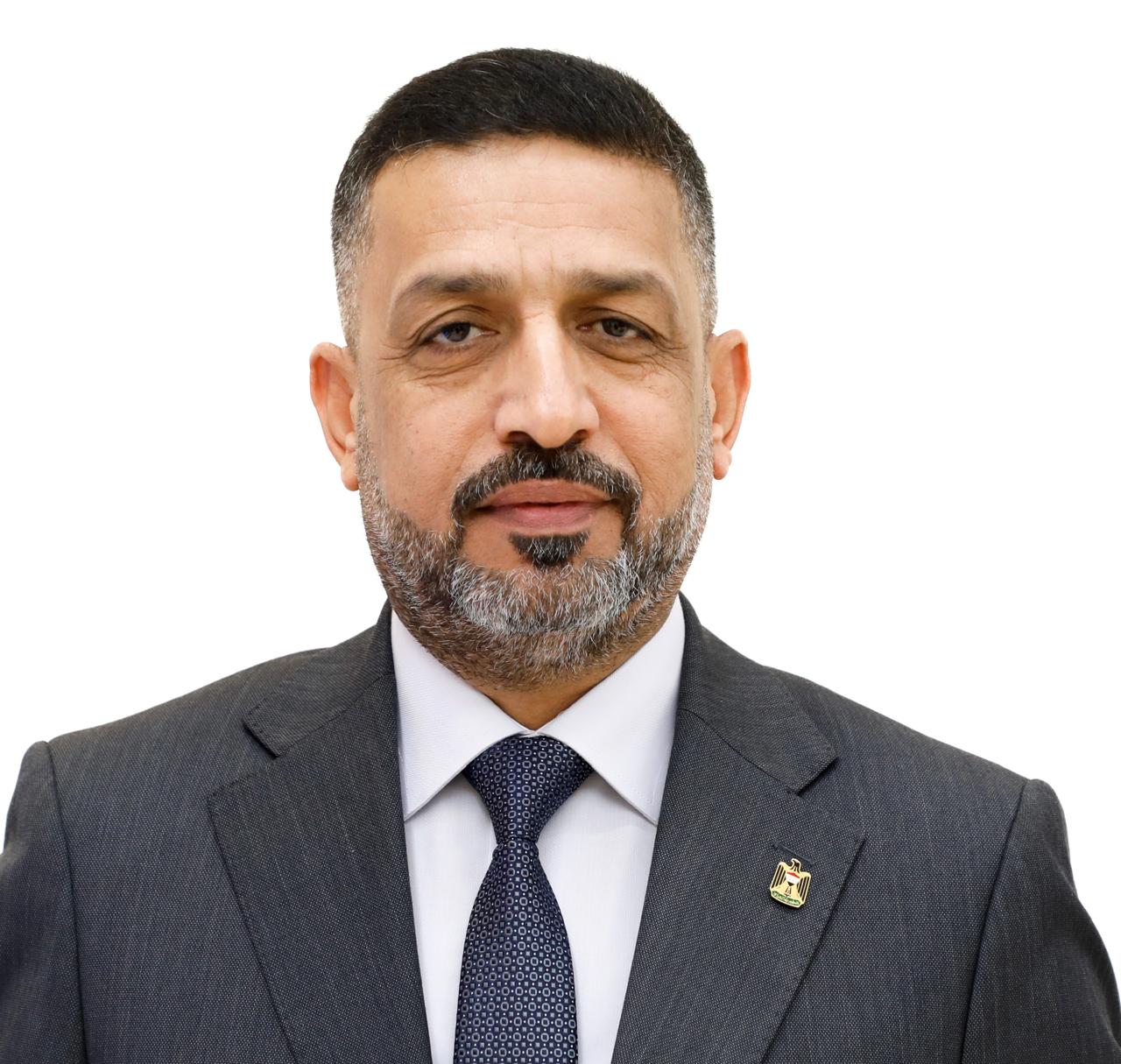 REPUBLIC OF IRAQ
Dr. Hadi Hashem Al-Yasiri
Director General of the Department of Forestry and Desertification, Ministry of Agriculture
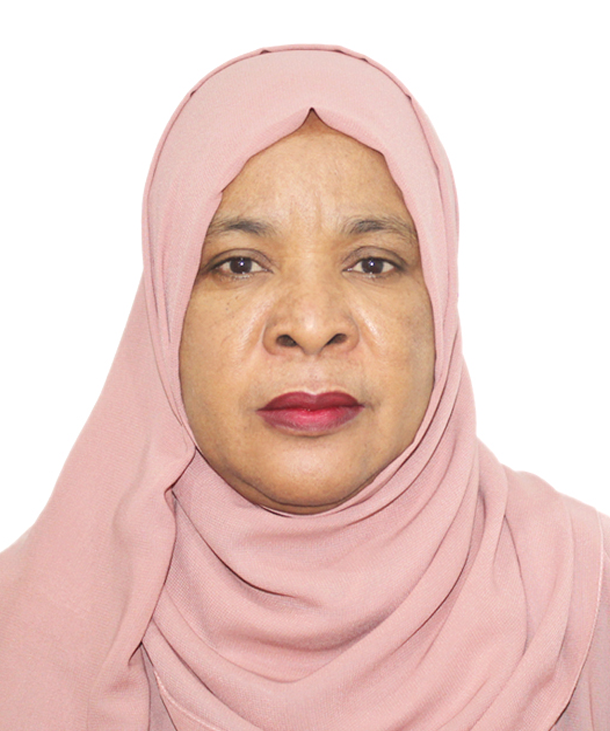 REPUBLIC OF SUDAN
Dr. Samia Abdullah Mohammed
Deputy Director of the Fruit Department, General Administration of Horticultural Production
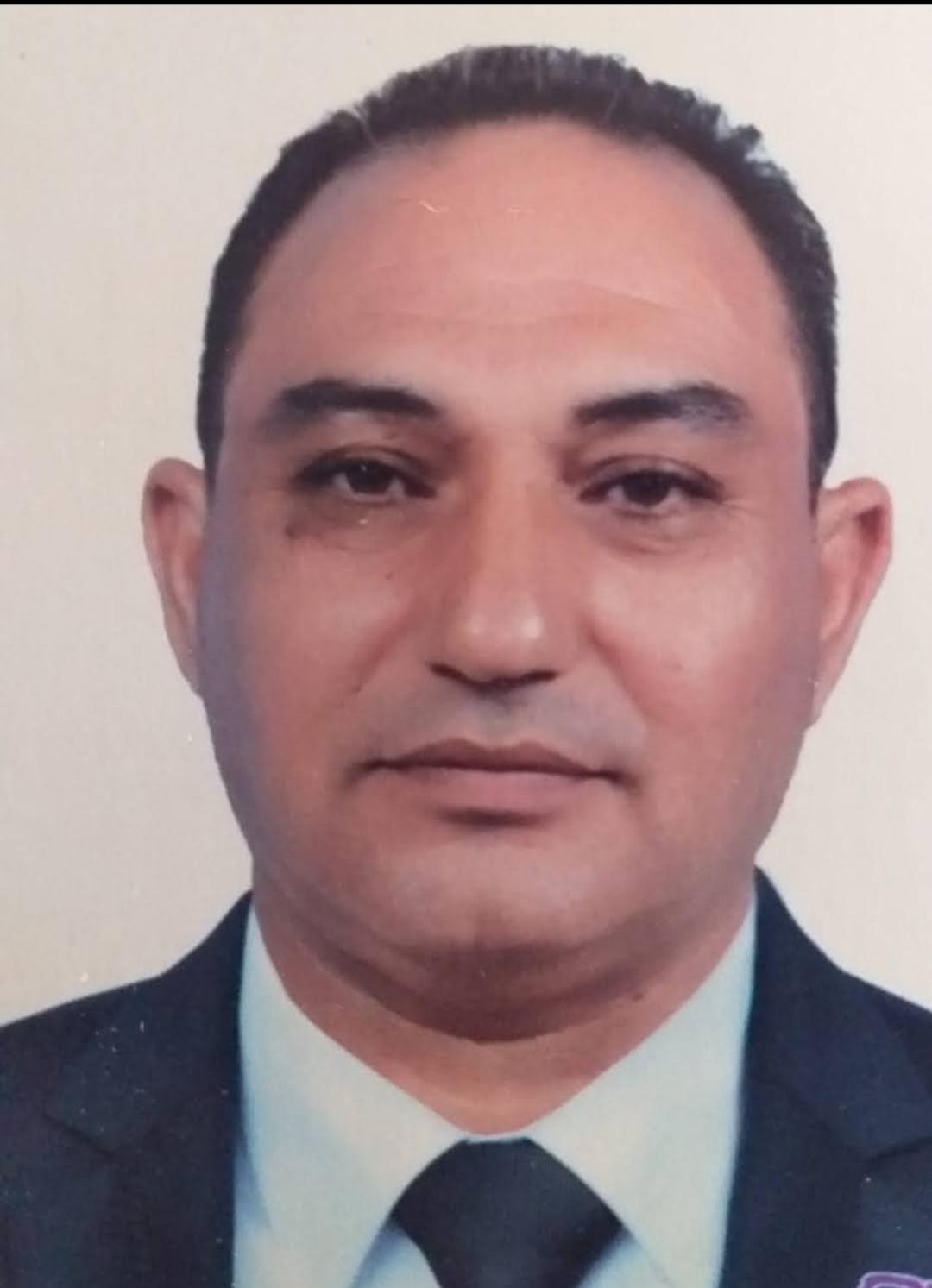 STATE OF PALESTINE
Dr. Loay IbrahimTaylakh
Directorate of Agricultural Experiments, Palestinian National Center
 REPUBLIC OF TUNISIA
Dr. Siham Ben Maaycha
Director General of the Regional Research Center for Oasis Agriculture
REPUBLIC OF TUNISIA
Dr. Dorsaf Ben Ahmed
Central Director at the Ministry of Agriculture
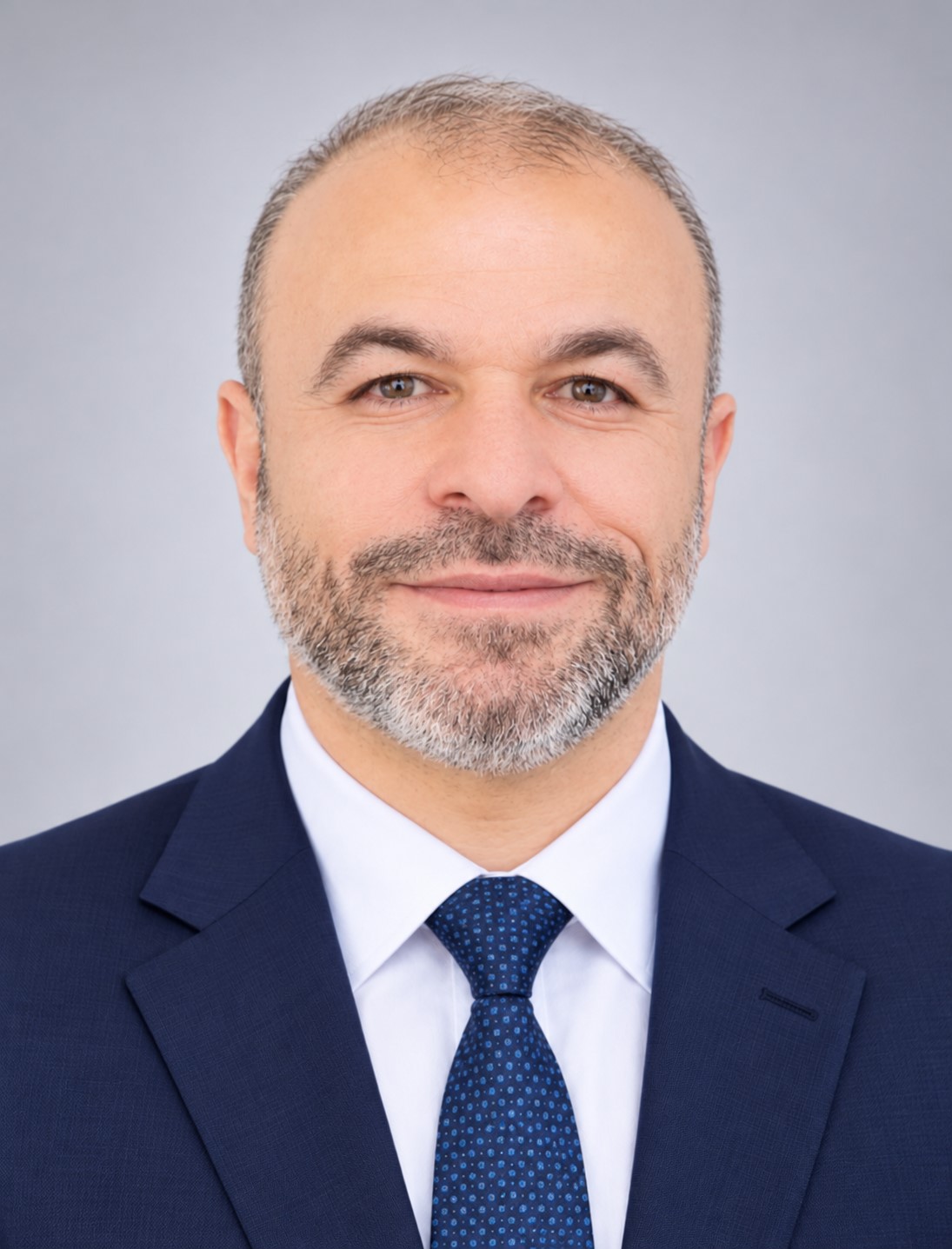 HASHEMITE KINGDOM OF JORDAN
Eng. Ahed Mohammed Hussein Al-Qudah
Head of the Production Quality Control Department, Directorate of Marketing and Foreign Trade, Ministry of Agriculture, Hashemite Kingdom of Jordan
REPUBLIC OF IRAQ
Dr. Hadi Hashem Al-Yasiri
Director General of the Department of Forestry and Desertification, Ministry of Agriculture
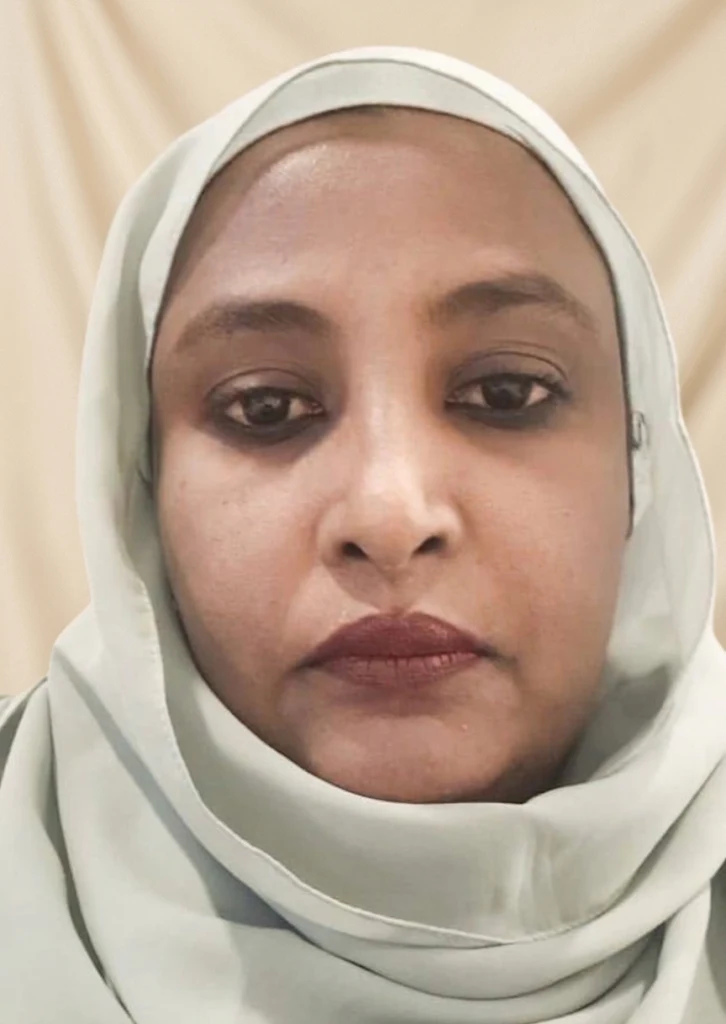 REPUBLIC OF SUDAN
Eng. Aisha Al-Jaili Mohamed Al-Imam
Head of Post-Harvest Handling Section, Horticultural Sector
 STATE OF PALESTINE
Eng. Mahmoud. S.Bsharat
Director of the Technical Department, Directorate of Agriculture in Jericho and the Jordan Valley, Ministry of Agriculture
ARAB REPUBLIC OF EGYPT
Dr. Ezzeldin Gadallah Hussein Al-Abbasi
Former Director of the Date Palm Research Institute, Agricultural Research Center
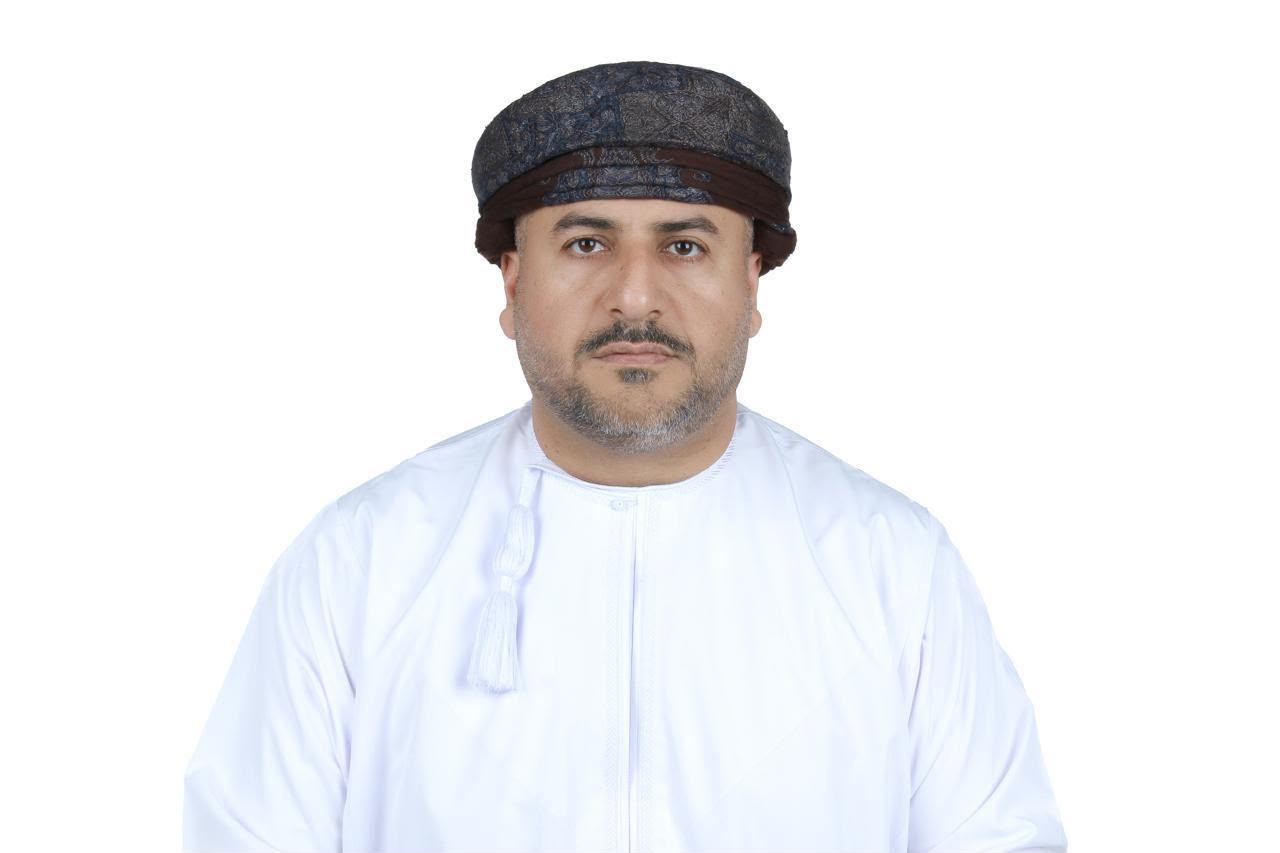 SULTANATE OF OMAN
Dr. Ali Al-Uraimi
Oman Agricultural Development Company
REPUBLIC OF TUNISIA
Mohsen Boujbel
Mohsen Boujbel Dates Company President
KINGDOM OF MOROCCO
Chairman, Africa Organic Company
 KINGDOM OF SAUDI ARABIA
Chairman, Turath Al-Madinah (Milaf) Holding Company
ARAB REPUBLIC OF EGYPT
Chairman, Al-Tahhan Company
KINGDOM OF SAUDI ARABIA
Chairman, Siafa Company
Our Multilateral Structure & Partners
Governance & Structure
The International Dates Council operates through a transparent multilateral governance structure designed to ensure equitable representation and accountability among all member states.
The Council’s organizational structure consists of four main components:
Council of Members:
The Council of Members is the highest authority of the Council. It is responsible for making decisions and approving the Council’s policies, programs, plans, and budget. It also determines the mechanisms and arrangements necessary to achieve the Council’s objectives. The Council of Members consists of full members.
Executive Board:
The Executive Board is elected by the Council of Members and is responsible for implementing its decisions and directives. It also undertakes financial oversight and supervises the General Secretariat. The Executive Board is accountable to the Council of Members and operates in accordance with its directives. It is chaired by the Chair of the Council of Members and consists of four members elected by the Council of Members from among its members for a two-year term.
General Secretariat:
The General Secretariat is responsible for all administrative, financial, and technical affairs of the Council. It consists of the Executive Director, assisted by a team of staff whose duties and responsibilities are determined according to operational requirements and in line with the Council’s organizational structure. The Executive Director is appointed by the Council of Members upon the recommendation of the Executive Board, which determines the Executive Director’s qualifications and responsibilities.
Specialized Committees:
The specialized committees constitute one of the main components of the governance framework of the International Dates Council. They operate within the approved mandates and regulatory frameworks in a manner that enhances the quality of institutional performance and provides the Council of Members with technical and specialized advice in areas related to the Council’s objectives and the priorities of the date palm and dates sector.
Get in Touch
Have questions about membership or date trade data? Reach out to our team.


Main Office
Al Malqa District 7092
Riyadh 13525
Kingdom of Saudi Arabia